
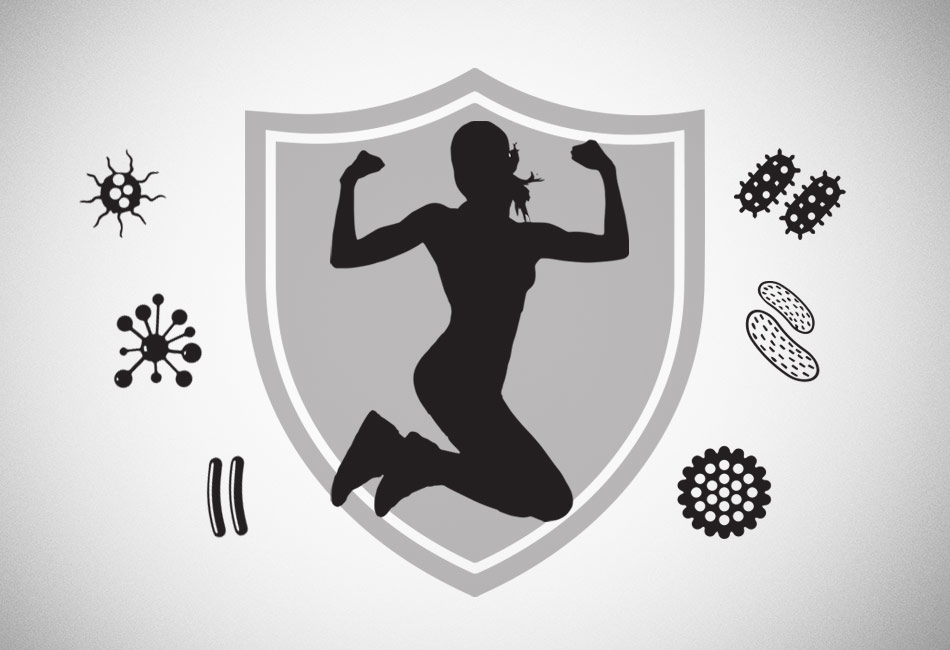
The immune system is a complex network of organs in the body that provide resistance to infection and toxins. When Saiyan Goku loses to Frost in the legendary Dragon Ball series it’s because his system can’t fight off the toxins of the poison Frost delivered to him. When Superman weakens and loses his powers because of Kryptonite it’s again, because his immune system, usually impervious to everything, cannot deal with the toxic radiation of the rocks from his home planet.
These fictional examples drive home the vital role our immune system plays in keeping us safe. What they don’t illustrate so easily is the complexity of a system designed to keep us healthy that is partly inherited[1] (or innate) and partly created[2] (or acquired). This means that whatever memory pre-exists in our DNA instructs the immune system to be on high alert for some specific pathogens (i.e. viruses, bacteria and toxins).
Our immune system however is also capable of improving its defenses and strength and this is where lifestyle choices and diet enter the picture. Exercise, places the body under physical, mental and psychological pressure. The physical part of it is known as oxidative stress and countless studies have shown that it has a positive, beneficial effect on the immune system[3] through the hormones that are released as a result. So much so, as a matter of fact, that a new branch of medical science called exercise immunology has grown up around it.
Exercise to Stay Healthy
The latest scientific research review of 120 years’ worth of research data[4] shows that the effects of exercise on the immune system are multi-layered with benefits derived both in the short-term and the long-term. More interestingly both moderate and heavy levels of exercise have been shown to deliver results.
The scientific review, one of the largest and most comprehensive of its kind led to further research that debunked one of the most common myths of intense exercise: That prolonged, strenuous exercise temporarily depresses the immune system.[5]
Instead, the research showed the following:
- Even a single, isolated, session of exercise helps the immune system get stronger and helps the body feel and perform better.
- Regular exercise significantly strengthens the immune system helping it fight off bacterial and viral infection.
- Regular exercise changes the cell biomarkers of the immune system itself, limiting or delaying the ageing process of the immune system and maintaining its function at biological levels that are younger than the chronological age of the person.[6]
This adds to extensive research that shows that exercise has an anti-inflammatory effect.[7] Blood markers of inflammation are strongly associated with chronic disease including cardiovascular and metabolic diseases (heart-related issues and diseases associated with brain and muscle function). Exercise helps prevent these types of inflammation which means that it doesn’t just help us live longer, it also helps us enjoy a better quality of life as we age.
If we think of exercise as energy expenditure then the food we eat is the fuel we use to create this energy in the first instance. It comes as no surprise that diet is also a component that affects the immune system.
What To Eat To Boost Your Immune System
Insufficient protein in the diet resulting in malnutrition results in an impaired immune system. At the same time the micronutrients, zinc; selenium; iron; copper; vitamins A, C, E, and B-6; and folic acid have important influences on immune responses. Overnutrition and obesity also reduce immunity.
The immune system is dynamic and complex. But a balanced, healthy diet provides it with a steady supply of energy and the micronutrients required to keep it healthy.[7] A healthy immune system requires a good balance between tolerance (to avoid autoimmune system reactions) and reaction to threats from disease.[8] [9]
This means that whether you’re entirely plant-based in your diet[10] or have a more flexible approach or are entirely meat-eating, you still need to know where you get your protein and essential micronutrients.
Foods that have been scientifically recognized to boost the immune system[11], [12] include garlic [13] probiotic organisms found in fermented foods, including traditionally cultured dairy products and newer kinds of fermented milks, green tea,[14] almonds,[15] ginger[16], broccoli,[17] [18] and spinach.[19]
If you try to include these foods in your diet remember that too much can be as bad as too little, so make sure you follow meal plans and recipes that have a fully worked out rationale and nutrition plan.
Be In Control Of Your Immune System Health
When it comes to the health of our immune system there is a lot we don’t control: hereditary immunities and hereditary weaknesses, environmental stressors, unexpected events or circumstances. But this only makes the things we do control that much more important. So, exercise regularly. Stay hydrated. Eat a clean, balanced diet with a variety of foods. Sleep well. This way you may end up with an immune system that has no Kryptonite-like weaknesses and outperforms Superman’s.
A great way to add bite-sized exercise to your daily routine is to do daily dares. A new one is published on the homepage every 24 hours.
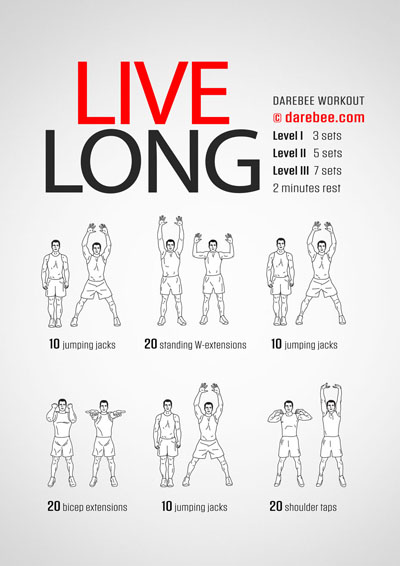
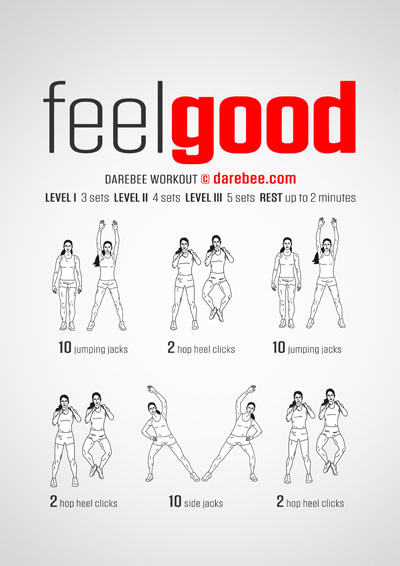
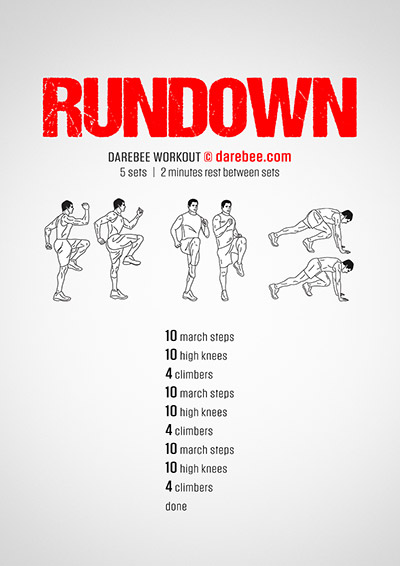
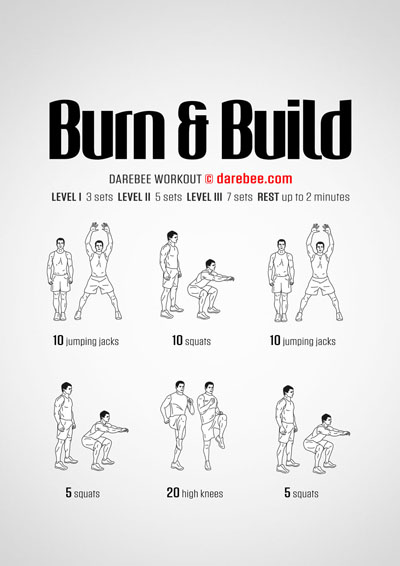
Recommended Workouts
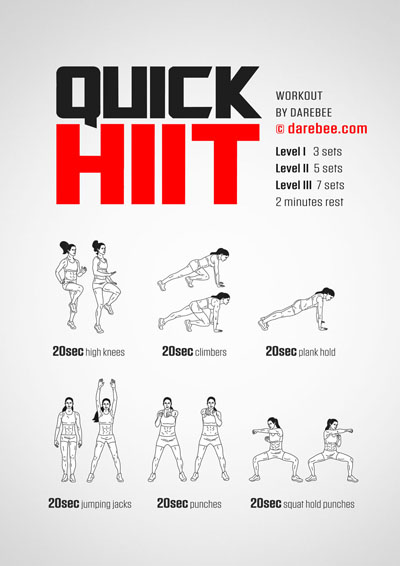
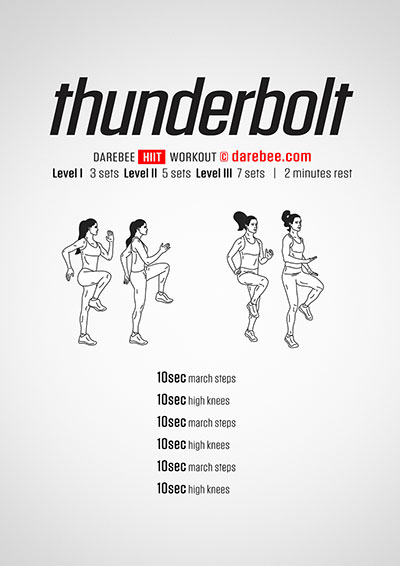
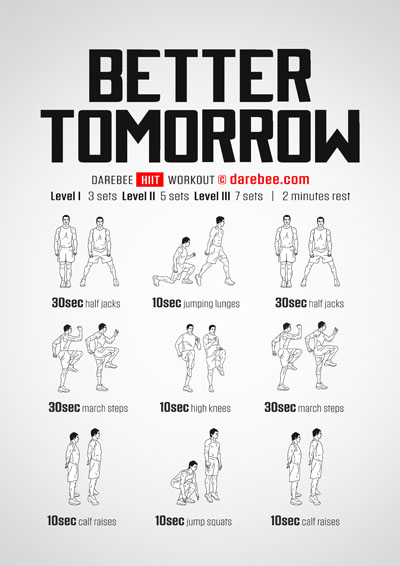
Recommended Programs


Sources
- University of Chicago. (2020, February 24). Ancient DNA from Sardinia reveals 6,000 years of genetic history. ScienceDaily.
- Deiana L, Ferrucci L, Pes GM, Carru C, Delitala G, Ganau A, Mariotti S, Nieddu A, Pettinato S, Putzu P, Franceschi C, Baggio G. AKEntAnnos. The Sardinia Study of Extreme Longevity. Aging (Milano). 1999 Jun;11(3):142-9. PubMed PMID: 10476308.
- Hilde, Grindvik Nielsen. Exercise and Immunity, DOI: 10.5772/54681
- David C. Niemana, Laurel M.Wentzb, The compelling link between physical activity and the body's defense system.
- John P. Campbell, James E. Turner. Debunking the Myth of Exercise-Induced Immune Suppression: Redefining the Impact of Exercise on Immunological Health Across the Lifespan. Frontiers in Immunology, 2018; 9 DOI: 10.3389/fimmu.2018.00648
- Hilde Grindvik Nielsen, Exercise and Immunity. Current Issues in Sports and Exercise Medicine, May 2013.
- Chandra RK. Nutrition and the immune system: an introduction. Am J Clin Nutr. 1997 Aug;66(2):460S-463S. Review. PubMed PMID: 9250133.
- Wu Dayong, Lewis Erin D., Pae Munyong, Meydani Simin Nikbin. Nutritional Modulation of Immune Function: Analysis of Evidence, Mechanisms, and Clinical Relevance. Frontiers in Immunology, 2019. DOI. 10.3389/fimmu.2018.03160. ISSN: 1664-3224.
- Ranjit Kumar Chandra. Military Strategies for Sustainment of Nutrition and Immune Function in the Field. Institute of Medicine (US) Committee on Military Nutrition Research. Washington (DC): National Academies Press (US); 1999.
- Caroline E. Childs, Philip C. Calder, and Elizabeth A. Miles. Diet and Immune Function. Nutrients. 2019 Aug; 11(8): 1933. Published online 2019 Aug 16. doi: 10.3390/nu11081933
- Calder, Philip. (2013). Feeding the immune system. The Proceedings of the Nutrition Society. 72. 1-11. 10.1017/S0029665113001286.
- Calder, Philip & Kew, Samantha. (2002). The Immune System: A Target for Functional Foods?. The British journal of nutrition. 88 Suppl 2. S165-77. 10.1079/BJN2002682.
- Labu, Zubair & Rahman, Mustafijur. (2019). Proven Health Benefits of Garlic-A Review.
- Chacko SM, Thambi PT, Kuttan R, Nishigaki I. Beneficial effects of green tea: a literature review. Chin Med. 2010;5:13. Published 2010 Apr 6. doi:10.1186/1749-8546-5-13
- Kamil A, Chen CY. Health benefits of almonds beyond cholesterol reduction. J Agric Food Chem. 2012 Jul 11;60(27):6694-702. doi: 10.1021/jf2044795. Epub 2012 Feb 17. Review. PubMed PMID: 22296169.
- Singletary, Keith. (2010). Ginger: An Overview of Health Benefits. Nutrition Today. 45. 171-183. 10.1097/NT.0b013e3181ed3543.
- Vasanthi HR, Mukherjee S, Das DK. Potential health benefits of broccoli- a chemico-biological overview. Mini Rev Med Chem. 2009 Jun;9(6):749-59. Review. PubMed PMID: 19519500.
- Latté KP, Appel KE, Lampen A. Health benefits and possible risks of broccoli - an overview. Food Chem Toxicol. 2011 Dec;49(12):3287-309. doi: 10.1016/j.fct.2011.08.019. Epub 2011 Aug 28. Review. PubMed PMID: 21906651.
- Jovanovski E, Bosco L, Khan K, et al. Effect of Spinach, a High Dietary Nitrate Source, on Arterial Stiffness and Related Hemodynamic Measures: A Randomized, Controlled Trial in Healthy Adults. Clin Nutr Res. 2015;4(3):160–167. doi:10.7762/cnr.2015.4.3.160