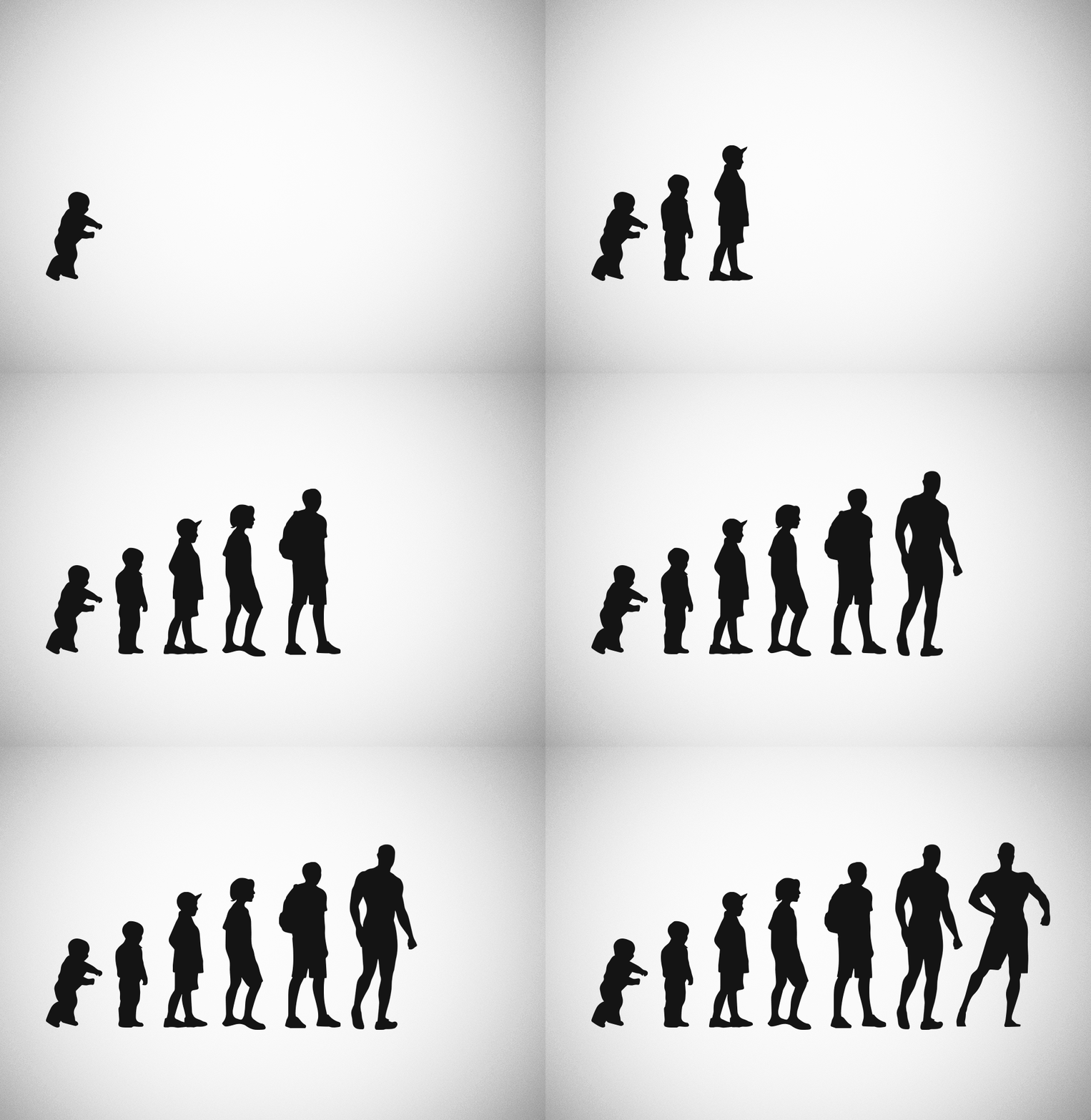
There are two ways to count the way we age: Chronologically, which is counting the years that have passed since the day we were born and biologically, which assesses our mobility, strength and aerobic capacity alongside a host of other fitness attributes such as flexibility, balance and recovery time.
Of the two only one really counts and that’s the one we can affect which is why we are looking at biological age so we can better understand what we can do to make it slow down. There are many levels in which aging takes place and is defined by the changes noted in that level, and that includes cumulative damage in organs in the body and their attendant cellular structures, the hormonal system and its ability to synthesize specific neurotransmitters, a weakening of muscles and a loss of mobility and autonomy as well as genetic damage and mitochondrial dysfunction.
The most common definition of aging however is one that sees aging as “ …the time-related deterioration of the physiological functions necessary for survival and reproduction. The phenotypic changes of senescence (which affect all members of the species) are not to be confused with diseases of senescence, such as cancer and heart disease (which affect individuals).”[1]
The good news is that while we cannot stop chronological time we can put in place interventions that slow down the biological aging process that is experienced as a result of changes in the body’s many different systems and even, in some cases, reverse it. This is what we are looking at here as we examine the various intervention strategies you can apply in your own life to not just live longer naturally but also remain healthier as you age.
Exercise To Stay Younger And Live Longer
Exercise is the obvious one, which is why we are starting with it. Aging, is broadly defined by nine hallmarks that are: “genomic instability, telomere attrition, epigenetic alterations, loss of proteostasis, deregulated nutrient-sensing, mitochondrial dysfunction, cellular senescence, stem cell exhaustion, and altered intercellular communication.”[2] In plain-speak they translate into a weakened immune system, weak systemic responses, weak muscles and increased vulnerability to disease.
These hallmarks also give us their opposite which are the “hallmarks of good health” which “include organizational features of spatial compartmentalization, maintenance of homeostasis, and adequate responses to stress.”[3]
Sustained, lifelong physical exercises helps reduce the impact of the hallmarks of aging on the body[4] by slowing down the biological rate at which it ages. The logic behind this is that physical exercise presents an immediate external stressor and associated, internal stressors, which trigger adaptations that force the body to undergo changes which then maintain youthful characteristics: tendon strength, muscle mass, muscle elasticity. A body that biologically younger than its chronological age has a greater capacity for dealing with the unexpected: stress, disease and inflammation. It then has the ability to allocate resources in a way that help maintain systemic balance better.
All of this has a systemic, cascade effect impact. To illustrate it better: consider what happens if you are physically fit and strong and you trip and fall. First of all, your ability to react and protect yourself from the fall is faster and better. Your muscles have greater strength to absorb the impact and save yourself from something more disastrous such as a broken bone. You may suffer bruising and maybe broken skin from the fall but a body that is more youthful will heal faster and leave no lasting effects. Finally, as you are healing you will still be able to maintain your autonomy and quality of life which, in turn, has an impact on how you feel about yourself.
The ” multi-system anti-aging effects” of exercise are detailed in a study published on rejuvenation and they included cardiovascular health and VO2 Max[5], aerobic capacity. The study concluded that lifelong exercisers enjoy greater quality of life as they age (healthspan) and live longer than the average population (lifespan).
Getting more specific with some types of exercise a very recent study showed that High Intensity Interval Training (HIIT) had the ability to turn back the clock and reduce the biological age of participants who took part in the study.[6]
Admittedly HIIT training is not easy, particularly if you are experiencing the effects of aging and are new to exercise. Don’t despair. More studies show that low-intensity exercise, over time, also slows down aging[7] and helps reverse the major hallmarks of old age provided it is done in a regular, sustained fashion.
Cognition is a key component to maintaining quality of life as we age. Maintaining the health and sharpness of our brain is key to this. The brain is an organ that is invisible to our eyes but its effects are felt in everything from how we think and how we feel to how we move and how we react. Exercise maintains our brain health by impacting the physical health of the brain’s components (veins, arteries and physical tissue). This has a direct effect on our cognition[8] helping us be mentally agile, cognitively sharp and neurochemically balanced, even as we age.
Reduce Chronic Stress To Stay Biologically Younger
We need stress to survive. The moment we encounter a stressor in life these things happen to our body:
- Pupils dilate
- Breathing quickens
- Pain response dulls
- Awareness and observation increase
- Heart rate and blood pressure increase
- Adrenaline is pumped through your body – giving you additional energy and strength
The body produces cortisol, popularly known as the “stress hormome” to help it stay alert for extended periods to face a threat. The problem with all this is that the stress response and the attendant production of cortisol were designed to help us survive a world which presented us with life-threatening threats.
Either we succeeded in avoiding them after a fight or a flight or we didn’t. But in either case there would be an end to the stress response. Modern life isn’t like that. We face constant stressors we cannot run away from (like pressure from work, life commitments and family duties), These long-term stressors which may remain both unaddressed and unresolved lead to chronic stress which is a medical condition that affects both the body and the mind.
The physiological and mental damage that happens from chronic stress negatively impacts how the body and brain operate and that, in turn, affects the body’s biological age making people look, feel and perform at a much older level than their chronological age.
The good news is that this aging process can be reversed by taking active steps that help reduce perceived stress levels and, also, learning to recognise the effects of stress and putting in place stress-mitigating practices such as rhythmic, deep breathing and meditation.
Using DNA methylation (DNAm) as an accurate way to establish biological age at a cellular level, researchers identified stress recovery as the primary means to reverse biological age.[9] In other words reduce the stress you experience in your life or put in place stress recovery strategies and your body rewards you by becoming biologically younger.
The World Health Organization (WHO), on their website cite exercise[10] as one of the means of managing stress better and reducing its effects. The difficulty with this is that when we experience stress that overwhelms us our ability and willingness to exercise are also affected[11] which means that we must make that extra effort to get our body moving in order to relieve some of the stress it has experienced.
The WHO website also cites good quality sleep and nutrition as stress-mitigation strategies. We covered exercise above and good quality sleep and nutrition are next so here we shall examine a couple of other intervention strategies that help reduce the amount of stress we feel and help us cope with it better.
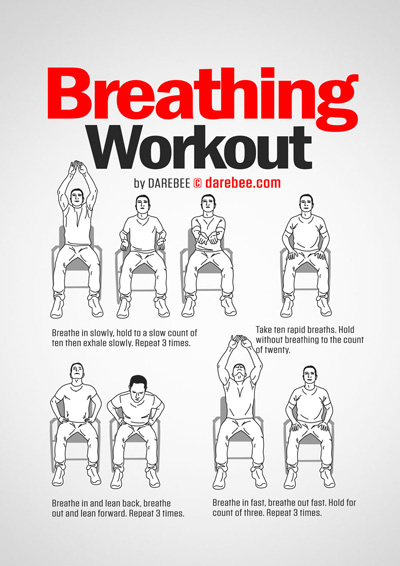
Breathe Deeper And Manage Stress Better And Reverse Aging
The first one is breathing. We have a handy, science-backed guide that details the connection between the vagus nerve and the gut and how breathing can be used to reduce stress and improve mental wellbeing.
It is useful, however, to run a reminder on how stress produces a vasoconstrictive response[12] in the body, tightening blood vessels, elevating blood pressure, producing an equally constrictive response in the muscles, including the muscles of the diaphragm which then takes sallower breaths and under-oxygenates the muscles and the brain and reduces the quality of both our movements and decision-making.
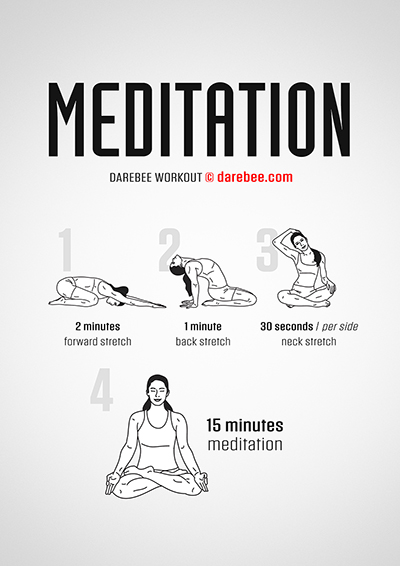
Learn how to meditate. We have a handy guide on this which can help you get started. Fresh studies have shown that regular meditation has anti-aging effects at a cellular level[13] which affect not just the body but also the brain[14] helping it stay focused and sharp.
Eat Better To Slow Down Old Age
A meta-analysis of thirty-sic studies on nutrition and aging “showed that choosing low carbohydrate diets or diets rich in vegetables, fruits, nuts, cereals, fish, and unsaturated fats, containing antioxidants, potassium, and omega-3 decreased cardiovascular diseases and obesity risk, protected the brain from aging, reduced the risk of telomere shortening, and promoted an overall healthier life.”[15]
Recent studies that have looked at nutrition across “blue zone” areas where people live long, healthy lives[16] agree that the dietary patterns that become evident are:
- A reduced intake of meat-based protein
- Avoidance of processed foods of all kinds
- A reduction or avoidance of alcohol drinking
- Eating foods derived from plants and whole grain products
- The use of herbs that have antioxidant and anti-inflammatory action
- Consuming foods with mono- and polyunsaturated fats that have shown to help protect the heart muscle
Sleep Better To Reduce The Effects Of Aging
The number of hours and quality of sleep we get is critical to how our neurology works[17] how we handle daily stress, how our body handles food and stores fat and how well our immune system works.
Good quality sleep requires:
- At least 6.5 hours of sleep each night
- A good portion of sleep time spent in deep and REM sleep
- The ability to manage our environment to help the brain gradually switch off as evening falls (no coffee drinking late at night, no alcohol consumption before sleep, no immersion in devices before sleep, no bright lights and loud noises before sleep)
Good quality sleep is needed for:
- Detox of the brain
- Muscle building in the body
- Repair of tissues in the body
- Improved cardiovascular performance
Be More Social To Stay Younger
A McKinsey Global Report[18] on healthspan, healthcare and wellbeing showed that being social and being spiritual were important considerations in being mentally and physically healthy. The connection between social connectedness and a lower biological age has been documented in other studies[19] that show that a strong social support network helps the body and brain maintain the homeostasis necessary for lower stress levels, a reduction in inflammation and a generally more positive outlook on life.
Summary
There is no single practice, dietary ingredient or practical intervention that can keep us young and healthy longer. Instead, staying younger than our chronological age and remaining healthier and stronger than our years would suggest we should be is the result of a combination of practices that are consciously and intentionally put in place. They, in turn, give us a better sense of control of our lives and the opportunity to enjoy the years we have, longer as physically capable, disease-free, cognitively sharp, individuals.
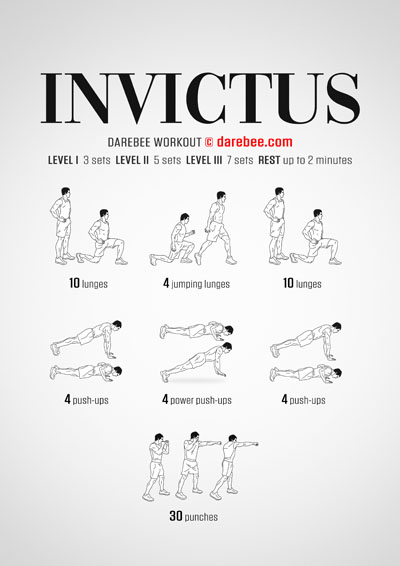
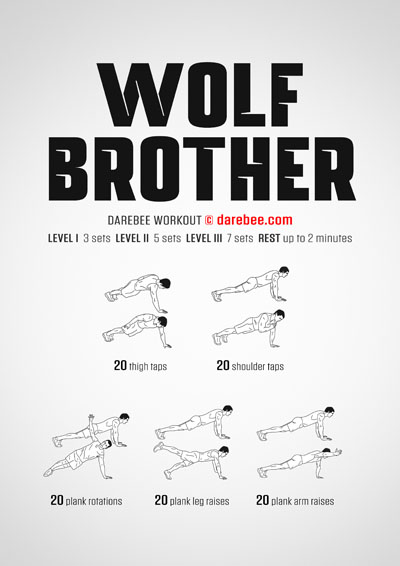
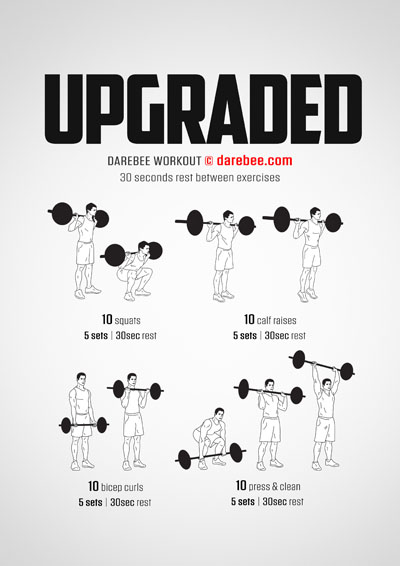
Suggested Workouts
Research
- 1. Gilbert SF. Developmental Biology. 6th edition. Sunderland (MA): Sinauer Associates; 2000. Aging: The Biology of Senescence.
- 2. López-Otín C, Blasco MA, Partridge L, Serrano M, Kroemer G. The hallmarks of aging. Cell. 2013 Jun 6;153(6):1194-217. doi: 10.1016/j.cell.2013.05.039. PMID: 23746838; PMCID: PMC3836174.
- 3. Carlos López-Otín, Maria A. Blasco, Linda Partridge, Manuel Serrano, Guido Kroemer, Hallmarks of aging: An expanding universe, Cell, Volume 186, Issue 2, 2023, Pages 243-278, ISSN 0092-8674.
- 4. University of Birmingham. "A lifetime of regular exercise slows down aging, study finds." ScienceDaily. ScienceDaily, 8 March 2018.
- 5. Garatachea N, Pareja-Galeano H, Sanchis-Gomar F, Santos-Lozano A, Fiuza-Luces C, Morán M, Emanuele E, Joyner MJ, Lucia A. Exercise attenuates the major hallmarks of aging. Rejuvenation Res. 2015 Feb;18(1):57-89. doi: 10.1089/rej.2014.1623. PMID: 25431878; PMCID: PMC4340807.
- 6. Lohman, T., Bains, G., Cole, S., Gharibvand, L., Berk, L., & Lohman, E. (2023). High-Intensity interval training reduces transcriptomic age: A randomized controlled trial. Aging Cell, 22, e013841.
- 7. Kanda K, Mori Y, Yamasaki K, Kitano H, Kanda A, Hirao T. Long-term effects of low-intensity training with slow movement on motor function of elderly patients: a prospective observational study. Environ Health Prev Med. 2019 Jun 13;24(1):44. doi: 10.1186/s12199-019-0798-4. PMID: 31189461; PMCID: PMC6563359.
- 8. Arrieta, H., Rezola-Pardo, C., Gil, S.M., Virgala, J., Iturburu, M., Antón, I., González-Templado, V., Irazusta, J. and Rodriguez-Larrad, A. (2019), Effects of Multicomponent Exercise on Frailty in Long-Term Nursing Homes: A Randomized Controlled Trial. J Am Geriatr Soc, 67: 1145-1151.
- 9. Jesse R. Poganik, Bohan Zhang, Gurpreet S. Baht, Alexander Tyshkovskiy, Amy Deik, Csaba Kerepesi, Sun Hee Yim, Ake T. Lu, Amin Haghani, Tong Gong, Anna M. Hedman, Ellika Andolf, Göran Pershagen, Catarina Almqvist, Clary B. Clish, Steve Horvath, James P. White, Vadim N. Gladyshev, Biological age is increased by stress and restored upon recovery, Cell Metabolism, Volume 35, Issue 5, 2023, Pages 807-820.e5, ISSN 1550-4131.
- 10. World Health Organization (2023, February 21). Stress. Retrieved October 8, 2023, from WHO Website.
- 11. Stults-Kolehmainen MA, Sinha R. The effects of stress on physical activity and exercise. Sports Med. 2014 Jan;44(1):81-121. doi: 10.1007/s40279-013-0090-5. PMID: 24030837; PMCID: PMC3894304.
- 12. Hopper SI, Murray SL, Ferrara LR, Singleton JK. Effectiveness of diaphragmatic breathing for reducing physiological and psychological stress in adults: a quantitative systematic review. JBI Database System Rev Implement Rep. 2019 Sep;17(9):1855-1876. doi: 10.11124/JBISRIR-2017-003848. PMID: 31436595.
- 13. Epel E, Daubenmier J, Moskowitz JT, Folkman S, Blackburn E. Can meditation slow rate of cellular aging? Cognitive stress, mindfulness, and telomeres. Ann N Y Acad Sci. 2009 Aug;1172:34-53. doi: 10.1111/j.1749-6632.2009.04414.x. PMID: 19735238; PMCID: PMC3057175.
- 14. Kurth F, Cherbuin N, Luders E. Promising Links between Meditation and Reduced (Brain) Aging: An Attempt to Bridge Some Gaps between the Alleged Fountain of Youth and the Youth of the Field. Front Psychol. 2017 May 30;8:860. doi: 10.3389/fpsyg.2017.00860. PMID: 28611710; PMCID: PMC5447722.
- 15. Leitão C, Mignano A, Estrela M, Fardilha M, Figueiras A, Roque F, Herdeiro MT. The Effect of Nutrition on Aging-A Systematic Review Focusing on Aging-Related Biomarkers. Nutrients. 2022 Jan 27;14(3):554. doi: 10.3390/nu14030554. PMID: 35276919; PMCID: PMC8838212.
- 16. Dominguez LJ, Veronese N, Baiamonte E, Guarrera M, Parisi A, Ruffolo C, Tagliaferri F, Barbagallo M. Healthy Aging and Dietary Patterns. Nutrients. 2022; 14(4):889.
- 17. Worley SL. The Extraordinary Importance of Sleep: The Detrimental Effects of Inadequate Sleep on Health and Public Safety Drive an Explosion of Sleep Research. P T. 2018 Dec;43(12):758-763. PMID: 30559589; PMCID: PMC6281147.
- 18. Hartenstein, Lars, and Tom Latkovic. “The Secret to Great Health according to Data | McKinsey.” Www.mckinsey.com, 20 Dec. 2022. Accessed 9 Oct. 2023.
- 19. Lindsay Smith G, Banting L, Eime R, O'Sullivan G, van Uffelen JGZ. The association between social support and physical activity in older adults: a systematic review. Int J Behav Nutr Phys Act. 2017 Apr 27;14(1):56. doi: 10.1186/s12966-017-0509-8. PMID: 28449673; PMCID: PMC5408452.