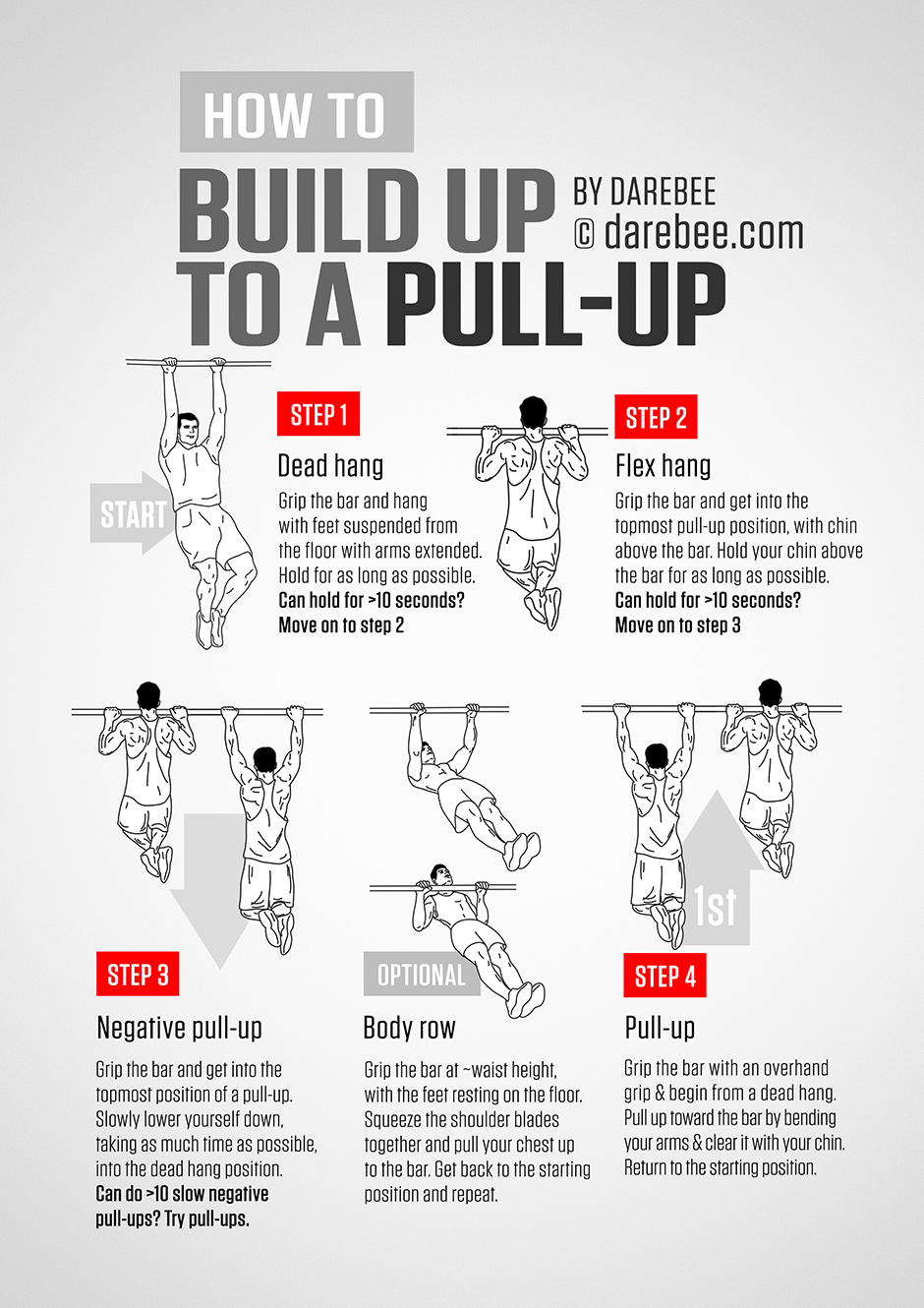
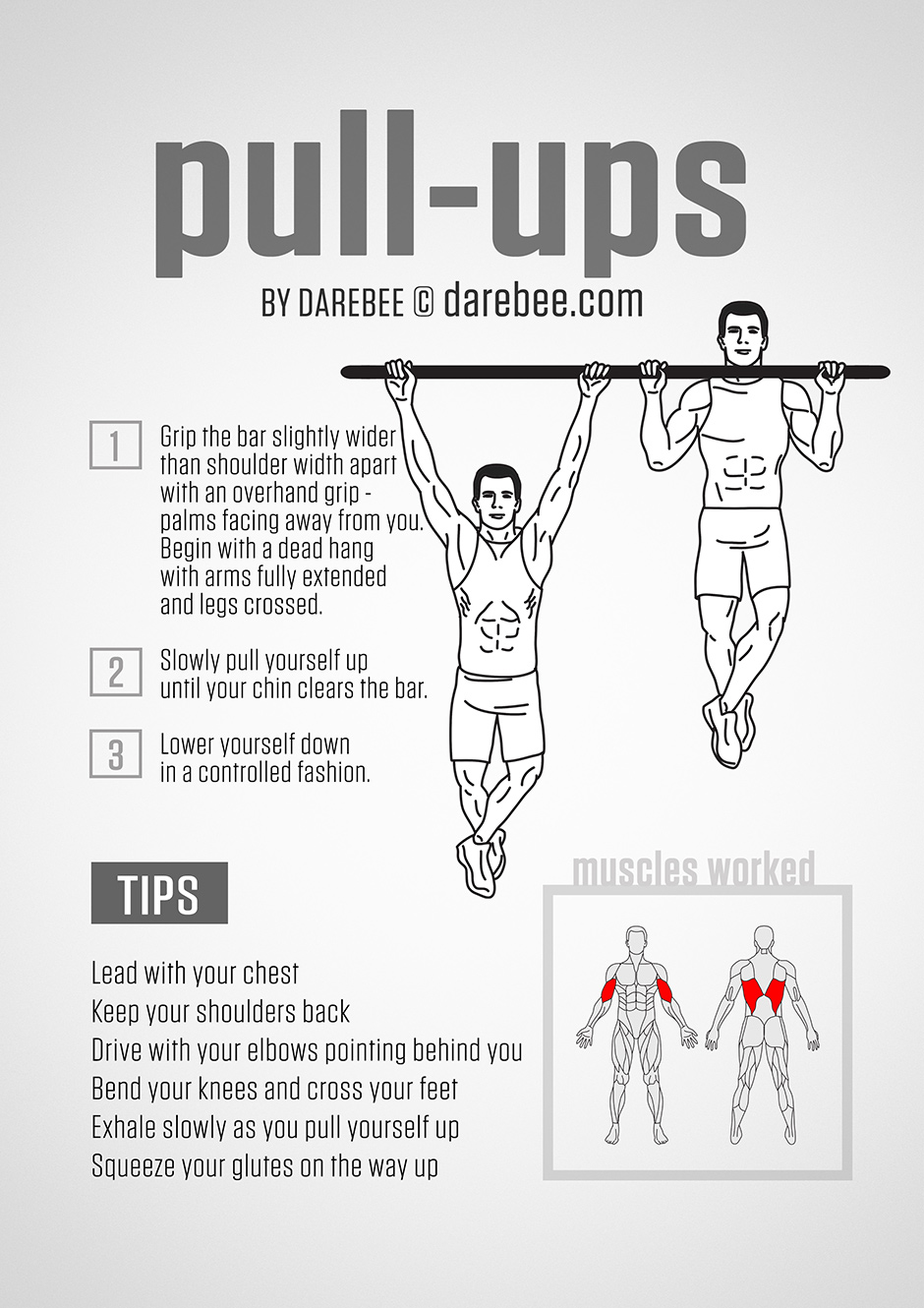
Pull-Ups Guide - A Guide to one Pull-Up

Pull-ups are the clearest demonstration of upper body strength there is: you either move your entire bodyweight or you do not. There is no partial credit and no way to fake it, which is exactly why the first one feels so far away and so worth having.

They are also the movement most worth learning if you train without equipment, because vertical pulling is hard to replace. Almost everything else in a bodyweight routine pushes.

What They Work

The back, primarily - not the arms, despite the way pull-ups are usually described.

In an electromyography study of pull-ups and chin-ups, the latissimus dorsi reached 117-130% of maximum voluntary isometric contraction, well ahead of biceps brachii at 78-96%, with infraspinatus, lower trapezius, pectoralis major, erector spinae and external oblique all contributing at lower levels.[1] Your arms are the connection. Your back is the engine.

You Can Absolutely Make It Easier

This is the claim that needs replacing outright: that there is no way to make a pull-up easier, that you weigh what you weigh and the only variable is your strength. That is not true, and believing it is why people stall at zero.

Every one of these reduces the load or the range, and every one of them builds toward the full movement:

  • Negatives. Jump or step to the top position and lower yourself as slowly as you can. The lowering phase is where most of the early progress comes from.
  • Assisted pull-ups. A resistance band looped over the bar and under one foot, or a chair to take some weight through a leg.
  • Inverted rows. A bar at waist height with your feet on the floor. Raise or lower the bar to adjust the difficulty precisely - this is the closest thing to a dial that bodyweight pulling has.
  • Dead hangs. Grip and shoulder position first, before anything else.
  • Scapular pulls. Hang, then pull your shoulder blades down without bending your arms. Small movement, and it teaches the thing most beginners are missing.
Pull-Ups Guide - A Guide to one Pull-Up

Technique

Clear the bar at the top and lower all the way to straight arms at the bottom. Half reps build half the movement.

One widely taught shoulder cue needs correcting - lifting your neck out of the "well" between your shoulders by shrugging - but shrugging raises the shoulders, which is the position you are trying to leave. What you want is the opposite: pull your shoulder blades down and back before your arms do anything. That depression and retraction is what brings the back into the movement, and it is the difference between hanging by your arms and pulling with your lats.

Keep the ribs down and the body from swinging. If you have to kick to finish a rep, the rep is finished.

Grip: Pull-Up Or Chin-Up

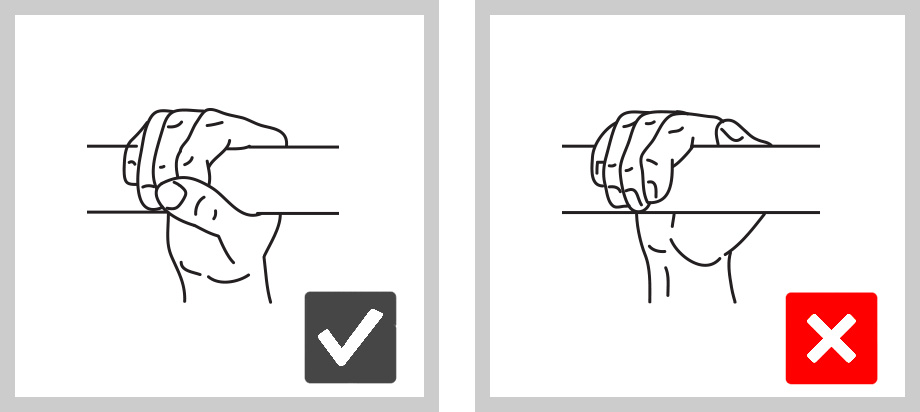
Pull-Ups Guide Grip

Palms facing away is a pull-up; palms facing you is a chin-up. These are different exercises rather than better and worse versions of one.

The EMG data supports the distinction it draws: biceps brachii and pectoralis major were significantly more active during the chin-up, while lower trapezius was significantly more active during the pull-up.[1] Chin-ups involve the arms more, which is also why most people can do them sooner.

The claim to drop is that a wider grip works your back more. Researchers comparing wide and narrow grips at both forearm orientations found that a pronated grip produced greater latissimus dorsi activity than a supinated one, but that grip width made no difference to lat activation - and concluded that a pronated grip is preferable regardless of width.[2] So the palms-away part matters. The wide part does not, and going very wide mostly reduces your range of motion.

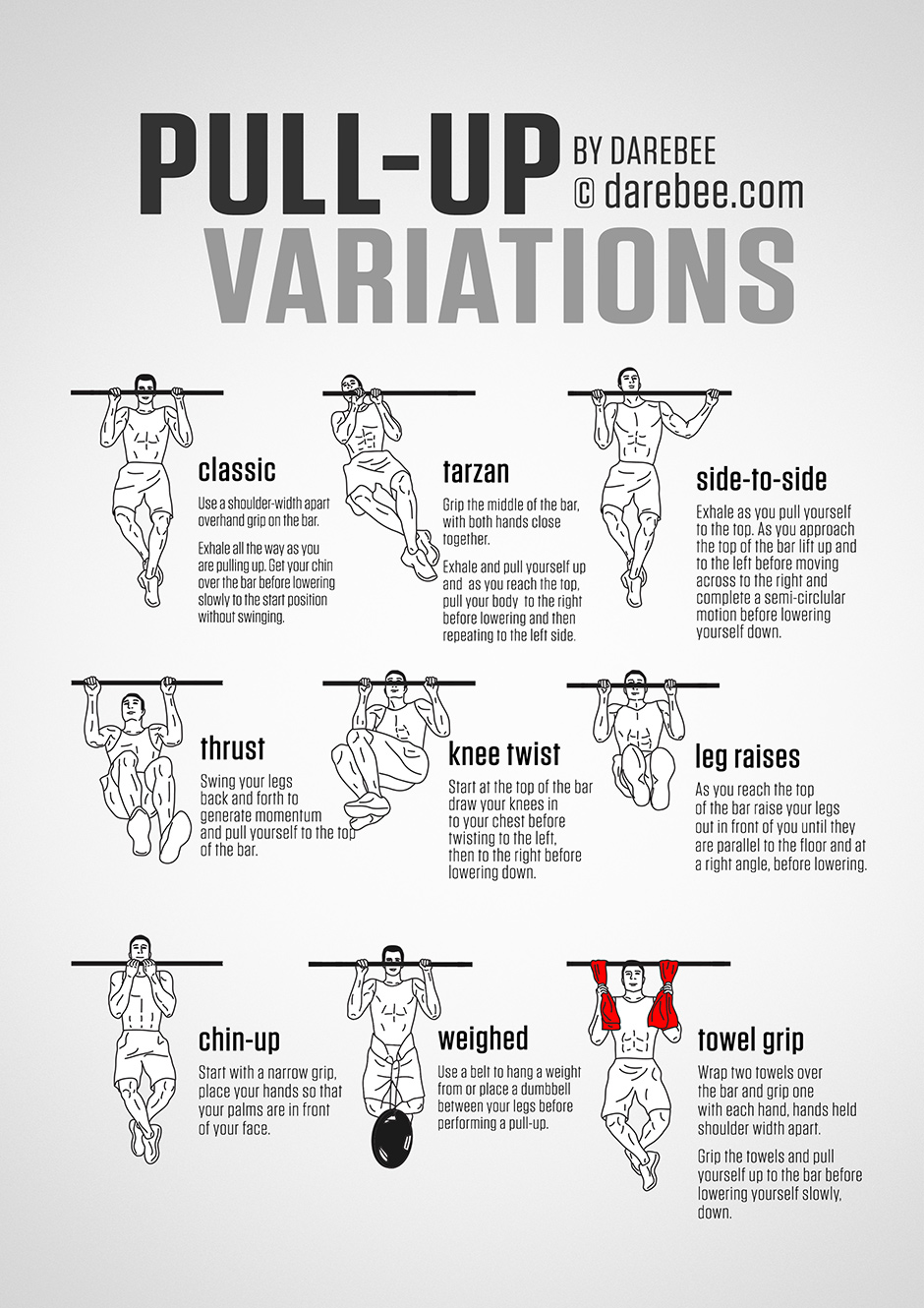
Pull-Ups Guide - Variations

Building Up With Weights

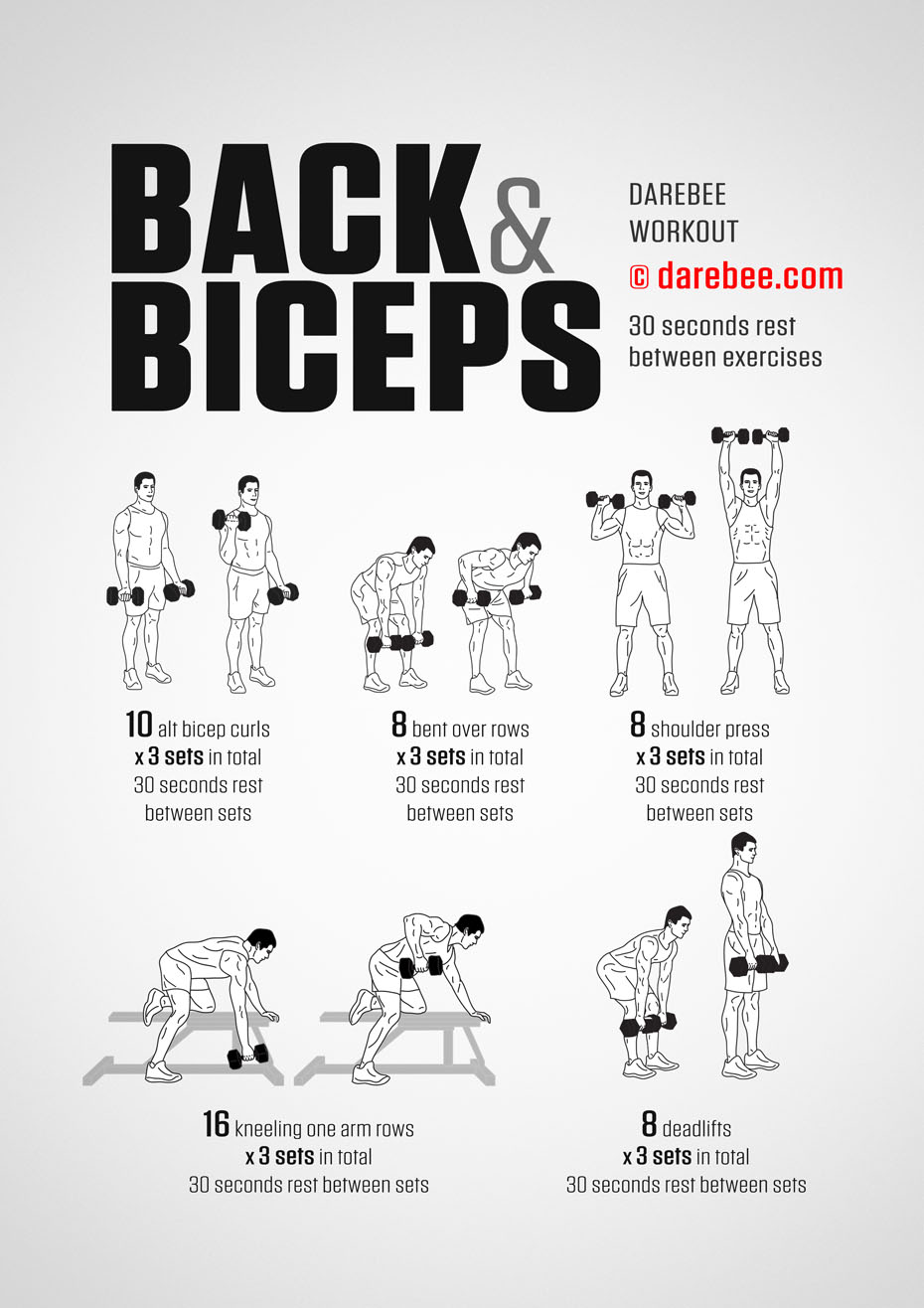
If you have dumbbells at home, rows and other pulling work will build the same muscles. Light weights are fine - what matters is that the sets get close to hard. A meta-analysis of 15 studies comparing training to failure with stopping short found only a trivial advantage for going all the way, with evidence of a non-linear relationship, meaning sets need to be near your limit rather than at it.[3]

How to strengthen your muscles for pull-ups with weights

No Pull-Up Bar

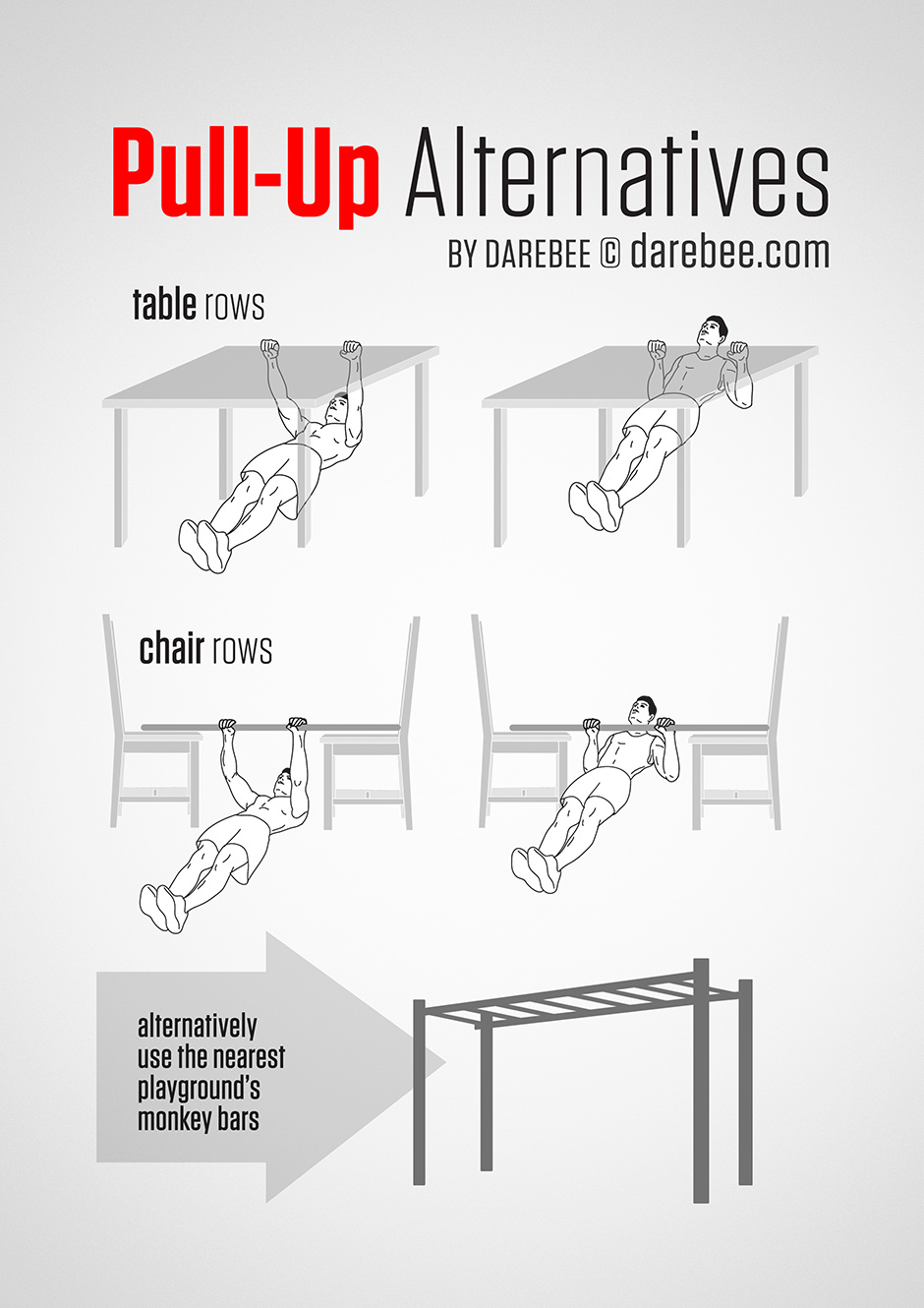
Inverted rows under a sturdy table, towel rows around a post, and door-frame or under-desk pulling all train the same pattern. None of them fully replace a bar, but they build the strength that makes the bar possible.

Pull-Ups Guide - No Pull-Up Bar Alternatives

Common Mistakes

  • Believing it cannot be scaled. Negatives, bands and rows all reduce the load. Zero is a starting point, not a barrier.
  • Shrugging instead of depressing. Shoulder blades down and back before the arms pull.
  • Half reps. Chin over the bar, arms straight at the bottom, every time.
  • Going ultra-wide for a wider back. Grip width did not change lat activation; it just shortens your range.
  • Only ever training pull-ups. Rows build the same muscles with adjustable difficulty, and you can do far more of them.

Summary

Pull-ups are a back exercise before they are an arm exercise - lat activation reached 117-130% of maximum voluntary contraction against 78-96% for the biceps. They can absolutely be made easier: negatives, band assistance, inverted rows, dead hangs and scapular pulls all scale the movement down while building toward it, and the claim that bodyweight offers no way to reduce the load is the single most discouraging myth attached to this movement. Technique-wise, pull the shoulder blades down and back rather than shrugging up, clear the bar and straighten the arms at the bottom. Pull-ups and chin-ups are different exercises - the chin-up recruits biceps and chest more, the pull-up the lower trapezius - but a wider grip does not build a wider back, since grip width made no difference to lat activation while a palms-away grip did.

Research

One of my FAVORITE websites EVER!!! I think this site has elite ball knowledge and it's 100% in my favorites right now.

Kam, 24, from US

I found Darebee in 2014 and since then I’ve been using it on and off until 2024, when I decided to base all my workouts on Darebee alone. I love the pictures, the variety, the amount of time it takes… I found Darebee in 2014 and since then I’ve been using it on and off until 2024, when I decided to base all my workouts on Darebee alone. I love the pictures, the variety, the amount of time it takes to complete a workout and how you can mix and match if you have a lot of energy or only repeat 3 times if you don’t feel like exercising. The website is awesome and I recommend it whenever I talk about fitness with other people. I cannot thank Darebee enough for how much this project has helped me in having a solid exercise routine and how to deal with exercise when tired, injured or when I don’t have much time.

ExplodingCookie, from Mexico

This is the best fitness website I came across. I just loved this website. The animation makes it so much easier to understand the exercise and how to do it correctly. I also love the concept of… This is the best fitness website I came across. I just loved this website. The animation makes it so much easier to understand the exercise and how to do it correctly. I also love the concept of "exercise of the day". This website is just awesome. I came to know this website around 2025 since than it has been bookmarked in my browser. I request the developers to please launch the mobile app. I would absolutely love to see it's app on the app Store.

Twinkle