
For most of us, food bill is the largest bill we’ve got already before we introduce healthy into the equation. Most of us spend over half of the money we earn monthly on food alone so there is no surprise it is such a sensitive subject. It doesn’t have to be, though, there is a way to keep the food bill low and still eat healthy and well. Just be practical about it.
You can eat healthy, eat well and eat on a budget at the same time if you shop smart and cook everything yourself. Healthy eating isn’t rocket science – you already know what’s good and what’s bad for you, it’s just that junk and takeouts are often more convenient when it comes to a quick budget meal. If you make healthy eating convenient and affordable at the same time, you’ll have no problem switching to better food.
Understanding “Healthy”
The idea of what is healthy is distorted these days. Most of the stuff available is modified and has been altered in some way. I doubt that you can get hold of anything truly pure unless you grow it or raise it yourself. You see all of the pretty pictures online of the healthy meals and you can instantly count twenty ingredients involved in the making of the dish. Some of them you’ll fail to identify or pronounce so you are instantly discouraged because there is no way you can find all of the ingredients, afford to buy them and then spend two hours making the meal. Why? Ordinary every day home cooked meals are still the best thing there is especially if you use very little oil and serve smaller portions.
Healthy doesn’t mean rare or complicated, that’s where “expensive” comes from. Healthy is what your body, not just your taste buds, will appreciate and then use to build a healthier and stronger you. It simply means: nutritious food.
There isn’t much your body can get from bread, sweets, pizza and beer. You can survive eating junk but you will become malnutritioned and as a result your health will eventually decline and your quality of life along with it. You do have a choice.
A little bit healthier
Most of us just want to “eat a little bit healthier”, we don’t want to go all the way organic or vegan – some of us haven’t got the luxury to buy superfoods... or any vegetables for that matter. We want something quick, tasty, cheap but also healthy. Notice, the “healthy” bit is always mentioned last but it doesn’t haven’t to be this way.
The expensive begins with variety, the more complex your shopping list is the more likely you are to have a longer receipt at the checkout. Having the same menu and/or buying the same stuff can fix that.
If you have several default meals during the week, you can always make something more imaginative on the weekend if you get bored. The trick is to make healthy living, even when it’s based on the same kind of food, the norm. If you eat healthy and well six days out of seven you are doing great. And you’ll notice the difference not just in the way you look, but also in the way you feel.
The base
Default staple food: pasta, oatmeal, rice, potatoes
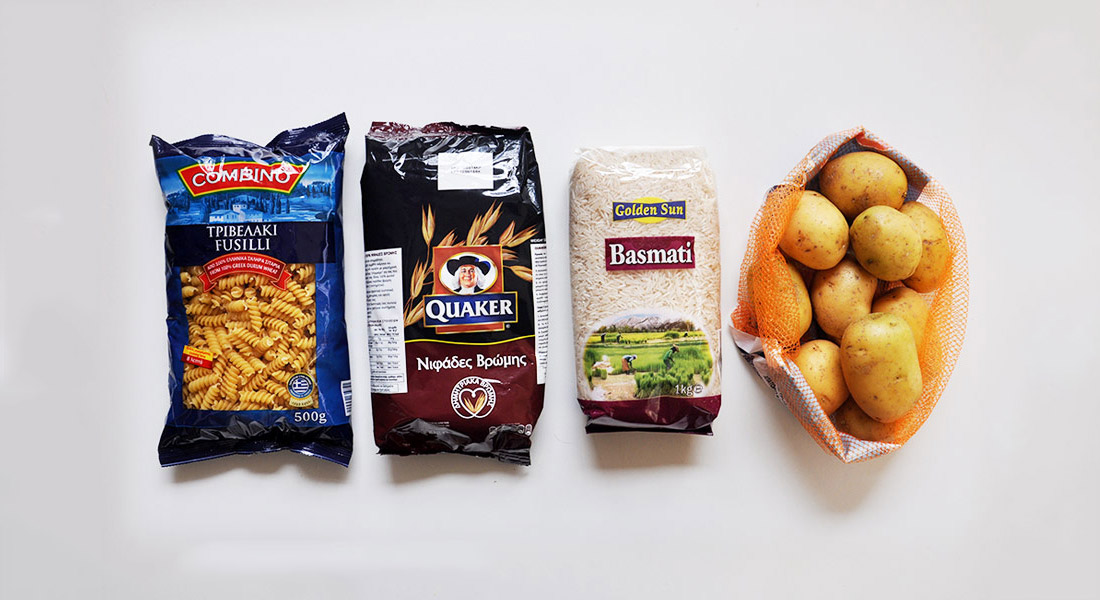
Always shop smart and be on the lookout for special offers. Value packs are only evil when it comes to chocolates and soft drinks, but they’re more than great for staple and canned foods so buy as much as you can. These are the “fillers”, often vilified by the health industry, especially when it comes to special diets but these are in fact perfectly good, healthy options, that will help you stay fuller longer and have more energy that lasts.
Baked potatoes are fantastic with tuna and cottage cheese, it’s when they are fried in salt and oil that they become a problem.
Eating pasta isn’t wrong either when it isn’t covered with cream and cheese and when it is eaten in small amounts. Pasta with fresh tomato sauce is one awesome meal option.
You can buy oatmeal by the ton, two reasons: oatmeal for breakfast and protein bars. Oatmeal is probably the best and the healthiest thing you can eat in the morning. Buy several packs at once, especially if there is 3 for 2 offer.
Default Vegetables: tomatoes, cucumbers and fresh mixed greens
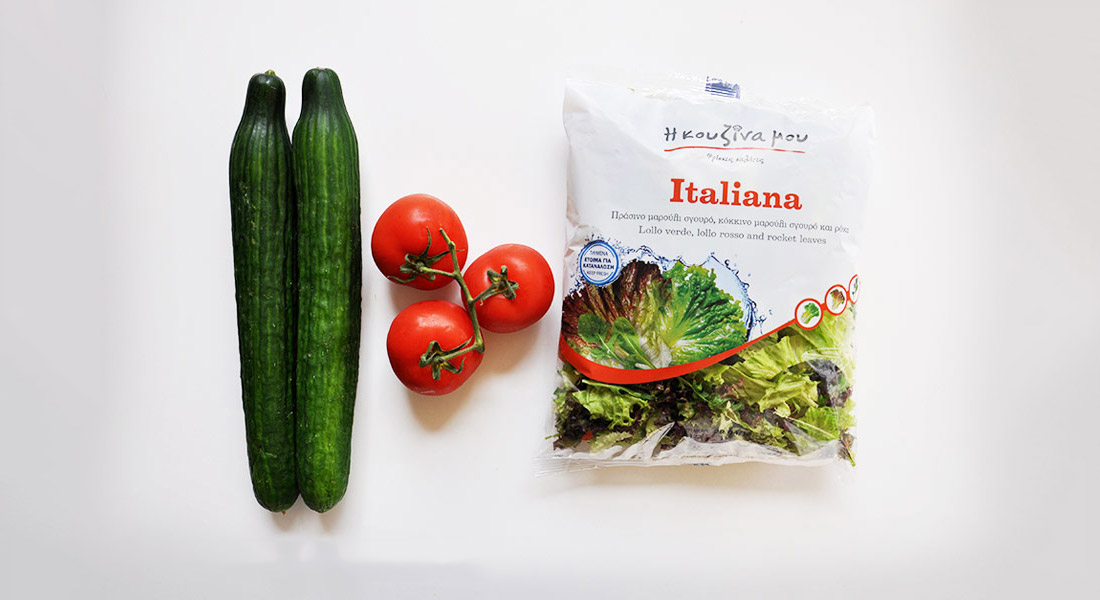
Many people think that in order to eat healthy they must eat a lot of vegetables and since buying vegetables is expensive, most don’t. You don’t have to buy all of these vegetables just because they are there on a pretty display. Fresh produce turns fast and you’ll end up throwing it away so buying too much at once just doesn’t make any sense. Buy as little as possible, and not more than three types of vegetables in one trip. Stick to two-three defaults you know you’ll eat and something universal that’ll work with any meal. Tomatoes and cucumbers, for example, taste and look great and are accessible. You only need a few to be able to add them on the side or make a small salad.
Buying mixed greens sometimes is more convenient than buying whole. Although you are paying more for less, you are likely to eat these since they are pretty much ready and only need some oil and seasoning. The good thing about these is that they can often be bought discounted because they have next to no shelf life and have to be sold fast. You can also get several different types of greens in one pack – you won’t need to buy all these different lettuce types individually yourself.
A really good way to keep vegetables that last and always have them on hand is to buy them frozen. Frozen is just as good as fresh and it can really keep.
Default & Frozen: berries, green beans, spinach, mixed vegetables
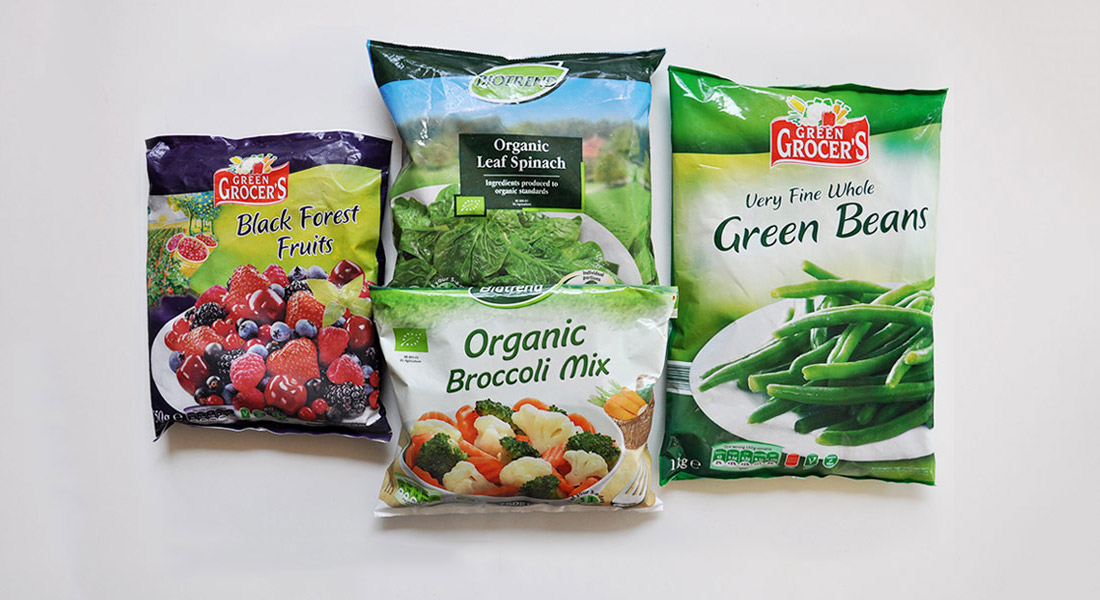
Berries, green beans and spinach are three default items you can always keep in your freezer. Steamed or oven roasted green beans work perfect as a side to oven baked pork and spinach is brilliant for smoothie or fried with eggs. Berries can be used to top your oatmeal in the morning. The best part, since these are frozen they are also cheaper.
Default Fruit: apples, bananas, oranges
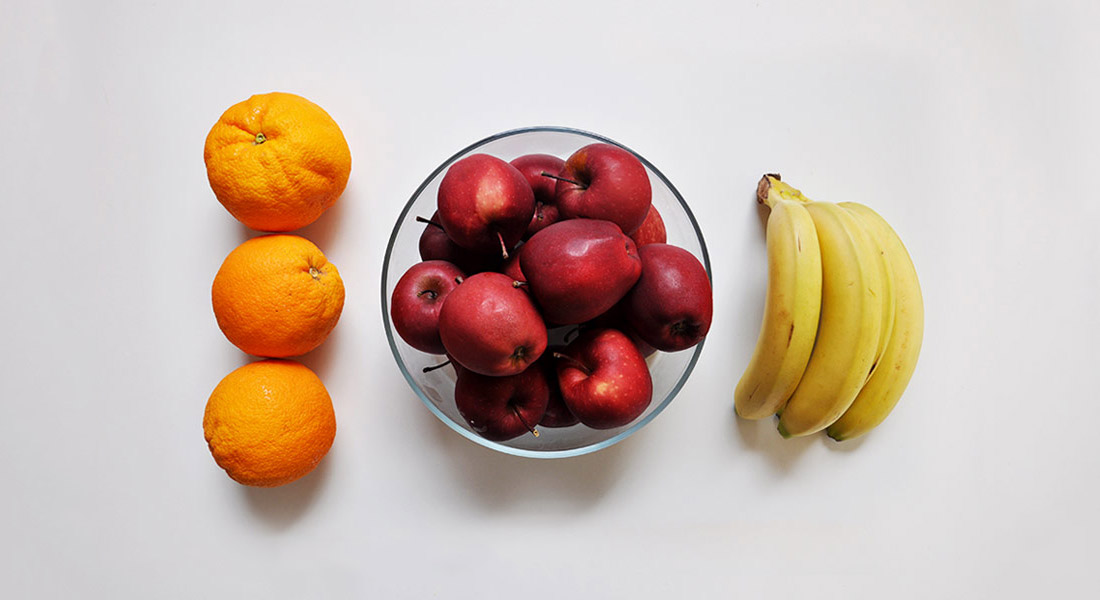
If you have the budget for it, you can go ahead and buy mangoes, grapes, out of season strawberries and pineapples. If you just want to have some fruit in your diet, the basics are the best and the most versatile. Apples really do last a long time and even when they stop being at their best they can always be turned into an awesome sauce or baked with honey.
Bananas, although they don’t keep so well, are cheap and can also be used in many different recipes, smoothies and just served on their own with cinnamon and nuts for dessert.
Add some vitamin C to your diet with a few oranges, they also keep well in the fridge and can be squeezed into fresh orange juice you would pay tons of money for if someone made it for you.
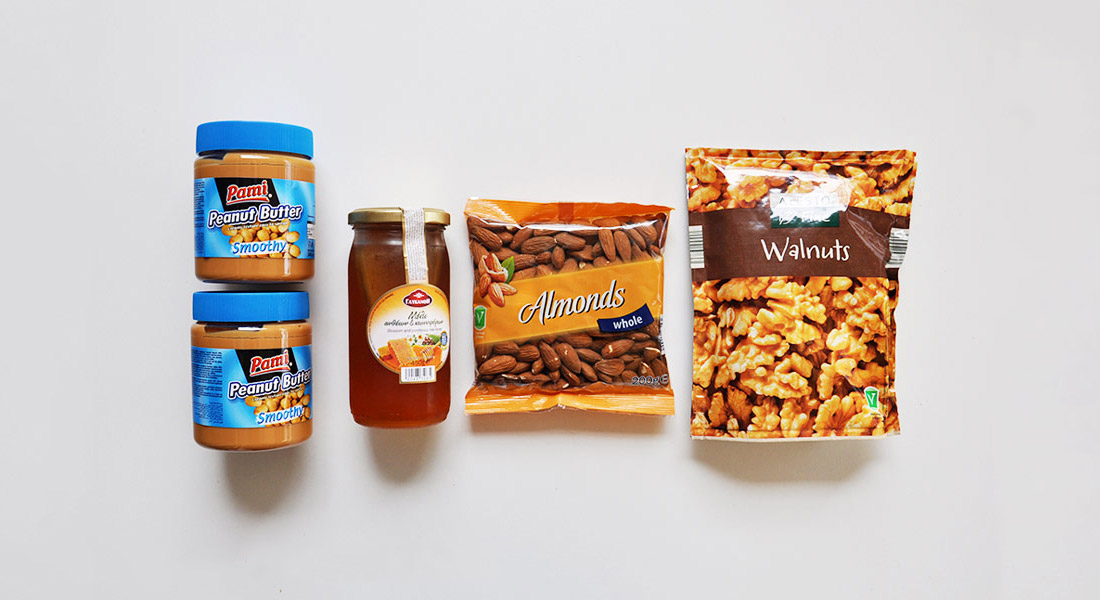
Fill the cupboards: peanut butter, tuna, beans, mushrooms, tomatoes, honey and nuts
You can save a lot of money if you buy canned food. And the best part is – it’ll keep forever. If there comes a day when you only have pasta in your cupboard you’ll be thrilled to discover you also have some tomato paste. Best. Meal. Ever. Especially when you are broke. You can do real magic with a canned something and some pasta or rice. All of these side dishes, sauces and quick meals, like microwaved bowl of beans, are life and money savers. If you think that canned food is unhealthy, think of the junk food most of us eat instead on a daily basis. It’s a no brainer.
Peanut butter works well with sliced apples, although a peanut butter sandwich isn’t a bad option in the morning either. It is also one of the base ingredients in homemade protein bars if you make those. It doesn’t have to be organic and it doesn’t have to be made by an expensive brand (the kind that spends a lot on adverts and passes the cost on you).
Two basic healthy ingredients you can buy on special offers and keep indefinitely: nuts and honey. Honey is one of the things that don’t go off and nuts are the handiest topping or snack option out there – easy to keep and easy to store.
Cooking: garlic, onions, dill, mustard
Mustard will also keep well. Mixed together with yogurt and some spices it becomes a perfect healthy mayo substitute.
Buying fresh spices like dill or basil is only posh if you will use them once. Here is how you make it last you for months and months: wash, chop and freeze, then use whenever you need it.
Garlic can be kept in the fridge in the vegetable compartment for a long time. It is also a lot handier when you have already peeled the cloves and can just grab one when you make any kind of sauce or when you are cooking meat.
Just using this basic shopping list as a guide you can build a pretty healthy and tasty menu for yourself. You’ll eat well and you will get enough quality food to stay physically strong and look and feel good.
Once you have more money you can add to your food budget, feel free to add other items to the menu. Pears and kiwis will keep a while in the fridge and will be great in salads, as yogurt toppings and on their own.
All of the food mentioned here also happens to be great for fitness and muscle building, boosting your immune system and aiding in post workout recovery. It is very true that you are what you eat so it is worth thinking twice before you decide what your next meal will be. Healthy doesn’t always mean expensive, but it always means real. Real food is healthy.